
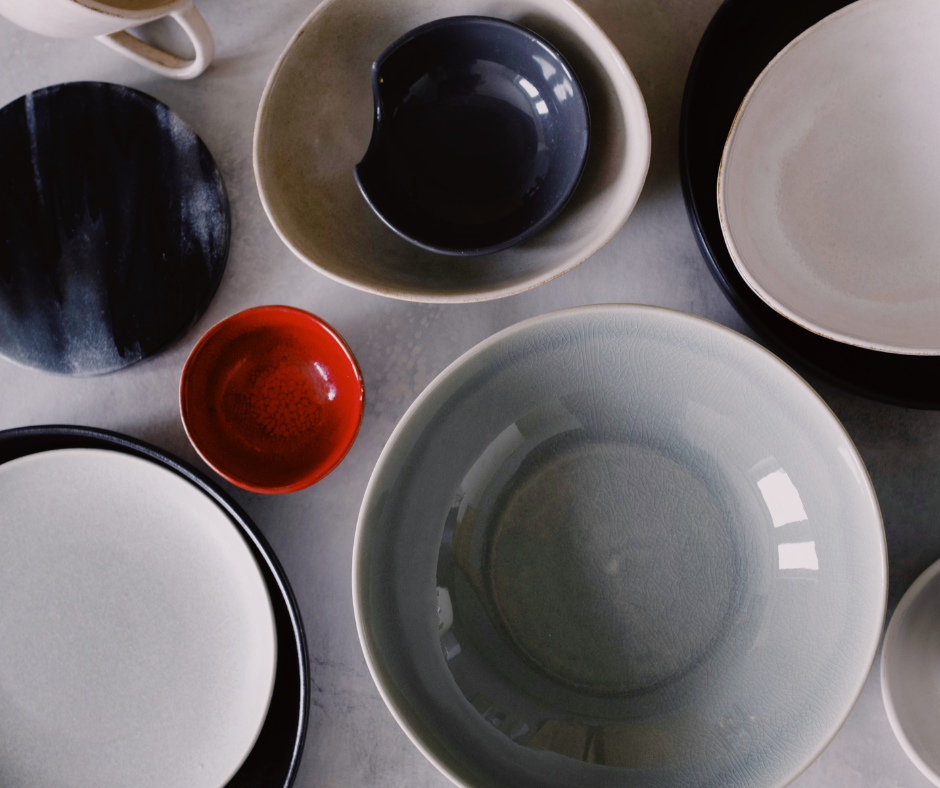
Before I fully realized what had happened, I heard the crash and shattering on the floor. One simple motion—opening a cabinet—led to an unexpected collision. Two items fell. One survived. One didn’t.
The plastic cup bounced. The ceramic bowl shattered.
Both fell from the same height, but the outcomes were vastly different. Why? Because not all materials handle impact the same way.
And the same is true for leaders.
As someone who has coached hundreds of leaders from diverse industries and stages of life, I can confidently say: we all move through seasons where we’re either like plastic or like ceramic. Allow me to elaborate.
The Plastic Stage
When you’re in your plastic stage, you’re resilient. Challenges may knock you down, but you bounce back. You have the emotional flexibility, mental strength, and perhaps even the support system to rebound—whether that’s pushing through fear, breaking free from limiting beliefs, or showing up with courage even in uncertainty. You bend, but you don’t break.
The Ceramic Stage
But then there are times when you’re in your ceramic stage. You’re more brittle, emotionally worn, or under heavy pressure. Maybe you’ve taken on a new leadership role and are grappling with self-doubt. Maybe you’re coming off a professional setback that’s cracked your confidence. Or perhaps you’ve simply been holding so much for so long that even one small impact could cause you to break.
That doesn’t make you weak—it makes you human.
Ceramic can be strong. It can hold weight. But it’s less equipped to handle impact without cracking. Just like that bowl teetering near the edge of my counter, you may find yourself one nudge away from a breakdown if you’re not careful.
This is why Leadership Recovery is so critical. Before leaders fall apart, they need space to assess their internal landscape—emotionally, mentally, behaviorally—and take proactive steps toward healing and alignment. But this is oftentimes the steps that go ignored or are overlooked due to the pursuit of more business-related goals. But when leaders are intentional about prioritizing their emotional and mental needs they not only elevate in their leadership and goal attainment.
Here’s what to do if you find yourself in your ceramic stage, teetering on the edge:
1. Acknowledge Where You Are
Please don’t shame yourself for feeling brittle. Every great leader you admire has gone through moments of self-doubt, emotional fatigue, and internal uncertainty. The worst thing you can do is fight this stage. Denial only delays healing. Acceptance opens the door to recovery.
You are not a “bad” leader—you are simply a human leader in need of care. Own that without guilt.
2. Add a Protective Layer
Just like we wrap fragile items in bubble wrap during a move, leaders in vulnerable stages need buffering too. That might mean:
- Seeking out a coach or mentor to support your reflection and growth
- Delegating or deferring big decisions while your emotional clarity recalibrates
- Taking time off to reset your nervous system and reevaluate priorities
- Establishing healthy boundaries to protect your time, energy, and peace
These aren’t signs of weakness. They are acts of wisdom and self-preservation.
3. Look Back to Move Forward
In vulnerable moments, it helps to revisit past seasons of struggle that you’ve already overcome. Recall the times you felt weak, yet found your way through. You’ve survived before—you’ll survive again.
Growth is rarely linear. It’s messy, cyclical, and often uncomfortable. But it’s always possible.
4. Redefine Strength
True leadership strength isn’t measured by how long you can push without breaking. It’s measured by your willingness to pause, heal, and rise differently. Just like a butterfly must dissolve in the cocoon before emerging transformed, sometimes breakdown precedes breakthrough.
Whether you’re in a plastic or ceramic season, the goal of Leadership Recovery is the same: to meet yourself where you are—with compassion, clarity, and courage—and to take intentional steps toward restoration.
Before you crash, pause.
Before you break, assess.
And when necessary, wrap yourself in the care and support you deserve.
